 During and after
Incident Response
Establish the scope. Contain the threat. Remove the persistence.
Establish scope and coordinate investigation, containment and removal of attacker access. A senior responder leads from the first call.

When to call
Call us when it may already be happening
Tokens or keys you didn’t mint
An access key, OAuth app or service principal nobody recognises, or a session from somewhere it shouldn’t be.
A mailbox doing something odd
Inbox rules, forwarding or consent grants that appeared overnight. Business email compromise usually starts here.
An alert you can’t close
A detection fired and your team can’t tell how far it went. We’d rather take the call early than late.
Privilege that changed
A role assignment, a new admin, a policy relaxed. In the cloud, persistence is usually configuration.
Ransom or extortion
Data taken or encrypted, or a demand received. We work alongside counsel and your insurer’s panel.
A supplier tells you they were hit
A vendor with access to your tenant reports an incident. We check what reached you.
Access
Two ways to engage
- EmergencyActivate Invictus during an active incident, subject to availability and commercial onboarding. You do not need a retainer to call. Emergency intake →
- RetainedPre-arranged access with reserved capacity, contractual terms and prioritized response. The commitments are set in your contract, not on this page. Response Retainer →
How it runs
The first hour, and the weeks after
Each phase has an owner and a written output. You see the scope before you see the bill.
- TriageA senior responder on the call: what you’re seeing, what to preserve now, what not to touch.
- PreserveRead-only acquisition of the logs that age out first, with our open-source tools.
- ScopeWhich identities, tenants and accounts were touched, and since when.
- ContainRevoke, rotate and remove what the attacker left: keys, apps, rules, roles.
- InvestigateThe full timeline, root cause, and what was accessed or taken.
- ReportA record that holds up, and the fixes, ranked. Lessons feed your next readiness cycle.
How we investigate
From the alert to the system around it.
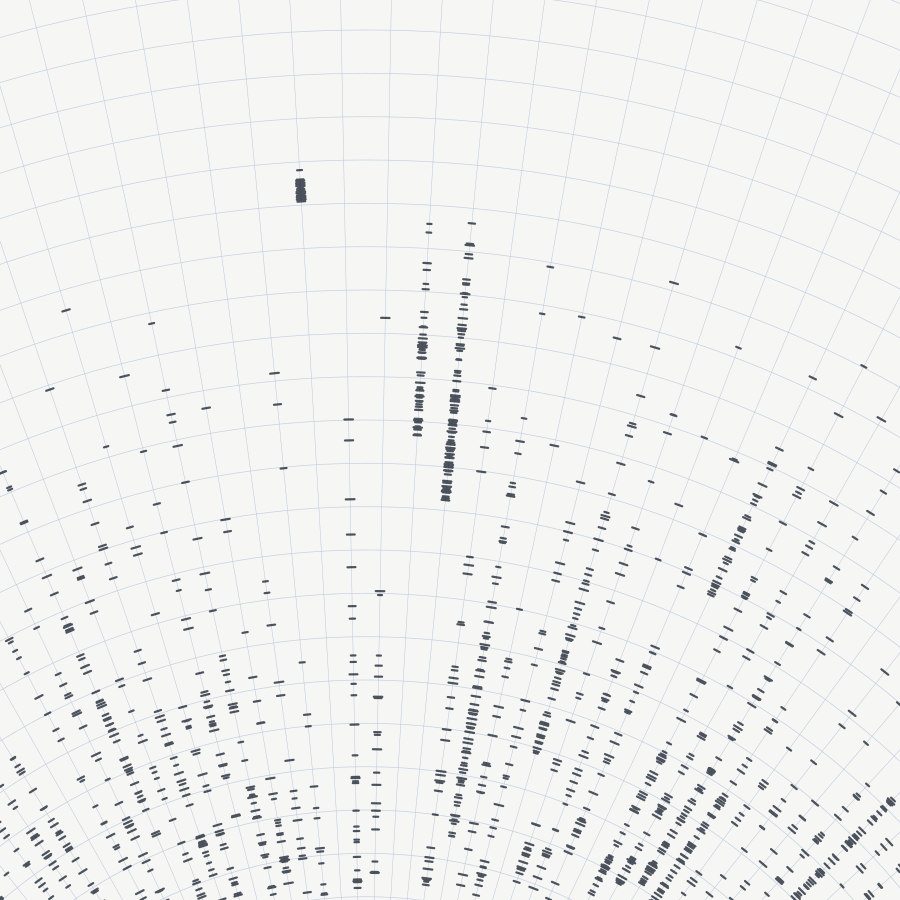
Seven levels, from every case down to one log line.


04 · Resource · IR-0412
What did it touch?
Inside finance-ap: reading, searching, a rule created at T+0h23, then deletion to cover it.
Illustrative case · synthetic data
Outputs and readers
Six things you get, and who each one is for
One investigation, written for every reader who has to act on it.
| Format | Deliverable | For |
|---|---|---|
| Executive summary · The incident in one page: what happened, what it touched, what is still open. | Board, CEO | |
| Technical report · Every finding with its evidence, the control that failed and the change that closes it. | CISO, security team | |
| CSV | Timeline · Every attacker action on one clock, each line traced to a source record. | Security team, counsel |
| JSON | Indicators · Accounts, IPs, apps and keys, ready for your SIEM. | SOC |
| Insurer brief · Scope, dates and data accessed, in the shape a claim needs. | Insurer, broker | |
| Call | Lessons review · What to fix first, and what to rehearse next. | Leadership, IT |
Scope and boundaries
What this covers, and what it does not
- Not in scopeA published response-time commitment: retained terms are set by contract.
Want to talk it through first?
A responder can help you decide whether this is an incident yet.